When selling a property, odpovědnost prodávajícího, právní a etická povinnost sdělit kupujícímu všechny známé vadby a stav nemovitosti. Also known as povinnost k úplné informaci, it means you can’t just hand over keys and walk away. If you hide a leaky roof or a cracked foundation, you’re not just being dishonest—you’re risking a lawsuit, financial penalties, or even having to buy back the property.
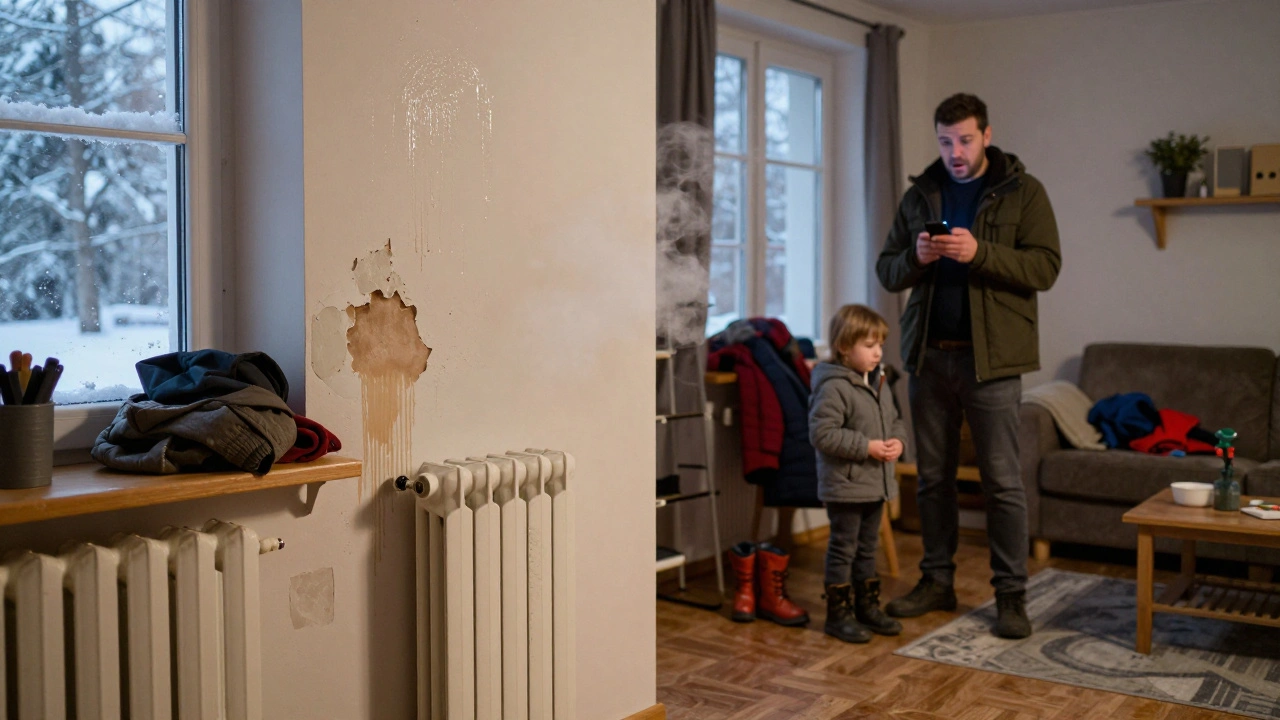
Many sellers think if they didn’t cause the damage, they don’t have to mention it. That’s a dangerous myth. Czech courts have ruled repeatedly that skryté vady nemovitosti, defects not visible during a routine inspection and not disclosed by the seller are the seller’s responsibility—even if they were unaware of them. A cracked wall behind a cabinet? A damp spot under the bathroom tile? A faulty heating system that only fails in winter? If it’s there and you knew or should have known, it counts. And if the buyer finds it later, they can demand repairs, compensation, or even cancel the sale.
This is why smlouva o dílo, legally binding contract that defines the scope, quality, and warranty of work done on a property matters so much—even if you’re selling a finished home. If you hired a contractor to fix the roof last year, you need to have that contract on hand. It proves the work was done properly and shifts part of the responsibility to the craftsman. Without it, you’re on your own. And if you didn’t hire anyone? Then you’re fully responsible for everything.
Don’t forget about záruka na rekonstrukci, mandatory two-year legal warranty on any repair or renovation work performed on the property. Even if you sold the house five years after the renovation, the buyer can still claim against you if the work failed within that two-year window from completion. That’s why keeping receipts, invoices, and inspection reports isn’t optional—it’s your legal armor.
And then there’s ochrana spotřebitele, legal framework that protects buyers from misleading information or hidden defects in real estate transactions. It doesn’t just apply to buying appliances—it applies to buying your home. If you told a buyer the kitchen was "recently modernized" but didn’t mention the plumbing was never updated, that’s considered misleading. The law doesn’t care if you thought it was fine. It cares if the buyer reasonably believed it.
You don’t need to be a lawyer to sell your home, but you do need to be honest, organized, and aware. The posts below give you real examples—like how ignoring a technical inspection cost someone half a million crowns, how a faulty balcony led to a lawsuit, or how a seller lost money because they didn’t disclose a damp basement. These aren’t hypotheticals. These are cases that happened in Czech homes, in Czech courts, with Czech families.
What you’ll find here isn’t theory. It’s what actually happens when sellers don’t know their responsibilities—and what you can do to avoid it. From how to document repairs to what to say (and what not to say) during viewings, these guides give you the tools to sell safely, legally, and without regrets.